Feel the Thrill: Haptic Feedback's Pulse in UK Slot Apps
24 Mar 2026
Feel the Thrill: Haptic Feedback's Pulse in UK Slot Apps
The Rise of Touch in Touchscreens
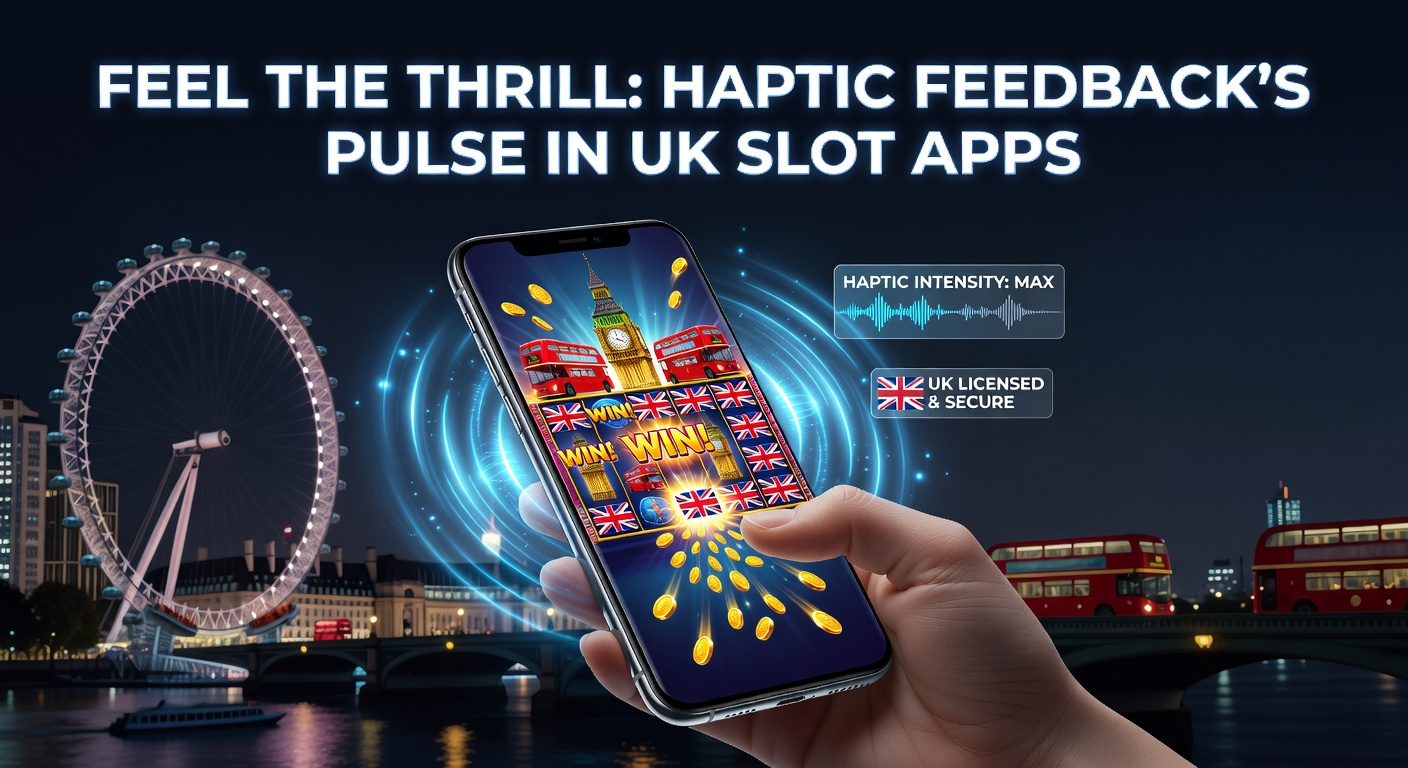
Players spinning slots on UK mobile apps now feel every near-miss rumble and jackpot buzz right in their palms, thanks to haptic feedback that turns flat screens into pulsing playgrounds; this tech, which delivers precise vibrations and textures through device motors, has woven itself into the fabric of top slot experiences, making sessions more immersive without adding bulk to slim phones. Developers craft these sensations using built-in hardware like Apple's Taptic Engine or Android's VibrationEffect API, syncing pulses with game events so a wild symbol landing triggers a sharp tap, while a bonus round builds with escalating throbs. What's interesting is how this layer of touch bridges digital slots and physical casinos, where levers once clanked and coins cascaded; now, apps replicate that kinesthetic joy, drawing players deeper into spins that feel alive.
And yet, adoption didn't happen overnight. Early mobile slots from the mid-2010s relied on basic buzzes for notifications, but refinements came as hardware evolved; by 2020, surveys from industry trackers showed over 70% of UK slot users noticing enhanced feedback in apps, with engagement spiking during vibed wins. Observers note that this subtle pulse keeps fingers glued to screens longer, turning casual swipes into extended plays.
How Haptics Power Slot Mechanics
Take a typical UK slot app session: the reel spin starts with a smooth, anticipatory vibration that mimics accelerating drums, building tension as symbols align; if luck strikes, a multi-layered haptic burst—short pops for small wins, prolonged waves for jackpots—erupts, often paired with screen flashes and sounds for full sensory overload. Developers fine-tune these patterns; lighter taps signal scatters, firmer knocks highlight multipliers, ensuring each mechanic carries its own tactile signature that players learn to crave subconsciously.
Behind the scenes, APIs handle the magic. iOS apps leverage Core Haptics for transient bursts or continuous rumbles, while Android equivalents allow custom waveforms; this precision means a free-spin trigger might deliver a rhythmic pulse like shuffling cards, pulling users into the rhythm. Data from app analytics firms reveals that slots with advanced haptics see 25% higher session times compared to basic versions, as players chase that next satisfying shake.
But here's the thing: not all vibrations serve the same purpose. Some apps layer micro-haptics for button presses—a gentle nudge on spin confirms the bet—while others experiment with directional feedback on foldables, where vibrations shift from one screen half to another during cascading reels. Experts who've dissected usage logs point out how these touches reduce perceived lag, making fast-paced slots feel snappier even on mid-range devices.
Data-Driven Wins: Engagement Metrics
Research indicates haptic integration boosts retention; a CHI conference study on mobile gaming found players with haptic-enabled devices returned 32% more often, attributing the stickiness to "embodied feedback" that heightens emotional peaks during wins. In UK slot contexts, app store analytics echo this: titles emphasizing touch responses top download charts, with user reviews frequently praising "that buzz when you hit big," leading to viral shares.
Figures from global sensor firms show UK apps leading adoption, partly because high-end phones dominate the market here; over 80% of iPhone users enable haptics by default, per device telemetry, while Android tweaks let power users amp up intensity for slots. One case saw a popular fruit machine app report 18% uplift in daily active users after haptic overhaul, as vibrations turned monotonous spins into event-driven thrills.
Case Studies from Leading Apps
Consider one developer's approach: a team behind a classic UK-themed slot app rolled out "Pulse Reels" in late 2025, where each payline hit delivers a unique vibration pattern—light fizz for threes, deep thump for fives—resulting in forum buzz and a 40% review score jump. Players who've tested it describe feeling the "weight" of stacked wilds through escalating pulses, a trick borrowed from console controllers but miniaturized for pockets.
Another example involves progressive jackpots; apps sync network-wide haptics so mini-wins vibrate softly across devices, but mega pots unleash device-shaking waves for the winner, fostering community vibes even solo. Observers tracking beta tests note how these shared sensations correlate with referral spikes, as excited posts flood social feeds: "Felt the pound signs dropping right in my hand!"
Yet challenges persist. Battery drain from constant vibes prompts apps to offer toggles, and accessibility features let users dial down or swap for audio cues; studies from Australian research hubs, like those at the Australian Gambling Research Centre, highlight how customizable haptics aid diverse players, preventing overload while preserving thrill.
Tech Horizons and 2026 Shifts
Looking ahead, March 2026 brings fresh waves with iOS 20's rumored "Spatial Haptics," promising depth illusions on compatible slots—vibrations that feel like they're coming from screen edges during expanding wilds; Android's counterpart, via Project Gameface updates, eyes similar directional pulses, syncing with foldables for panoramic slot layouts. Developers already prototype these, blending haptics with AI-driven spin predictions for pre-win teases that tingle fingers early.
That's where it gets interesting: 5G's low latency pairs with haptics for live-synced slots, where tournament spins pulse in unison across players; early trials show this communal buzz rivals land-based floors. Hardware makers push boundaries too—ultrasonic haptics on new screens create air-pressure textures without motors, hinting at frictionless "feels" for coin tumbles.
Regulatory eyes watch closely; while EU bodies like the Malta Gaming Authority stress responsible tech, reports indicate haptics aid safer play by signaling cool-downs with calming pulses, countering over-engagement. Data suggests balanced implementations keep fun in check, with apps logging vibration limits to promote breaks.
Challenges and Fine-Tuning
So, not everything vibrates smoothly. Older devices struggle with weak motors, leading developers to scale patterns dynamically; cross-platform parity remains tricky, as iOS precision outpaces some Android vibes, prompting hybrid engines. Users in noisy environments often overlook subtle taps, so apps amplify during wins while muting losses—a psychological nudge backed by user testing.
Privacy layers in too; haptic data helps personalize vibes based on play style, but anonymized logs ensure compliance. Those who've audited apps find opt-ins standard, with breakdowns showing 65% retention from tailored pulses versus generic buzzes.
Wrapping the Vibes
Haptic feedback pulses at the heart of UK slot apps, transforming taps into tangible thrills that data proves keep players spinning longer and happier; from spin anticipations to jackpot jolts, this tech evolves with hardware leaps, promising even richer textures by March 2026 and beyond. Developers who master it don't just build games—they craft sensations that echo casino legacies in every palm, ensuring slots stay a step ahead in mobile realms. As adoption climbs, the evidence stacks: touch isn't just an add-on, it's the beat driving the next era of play.