22 Jul 2026
Machine Learning at the Reels: Customizing Volatility Based on Player Habits in Portable Casino Games

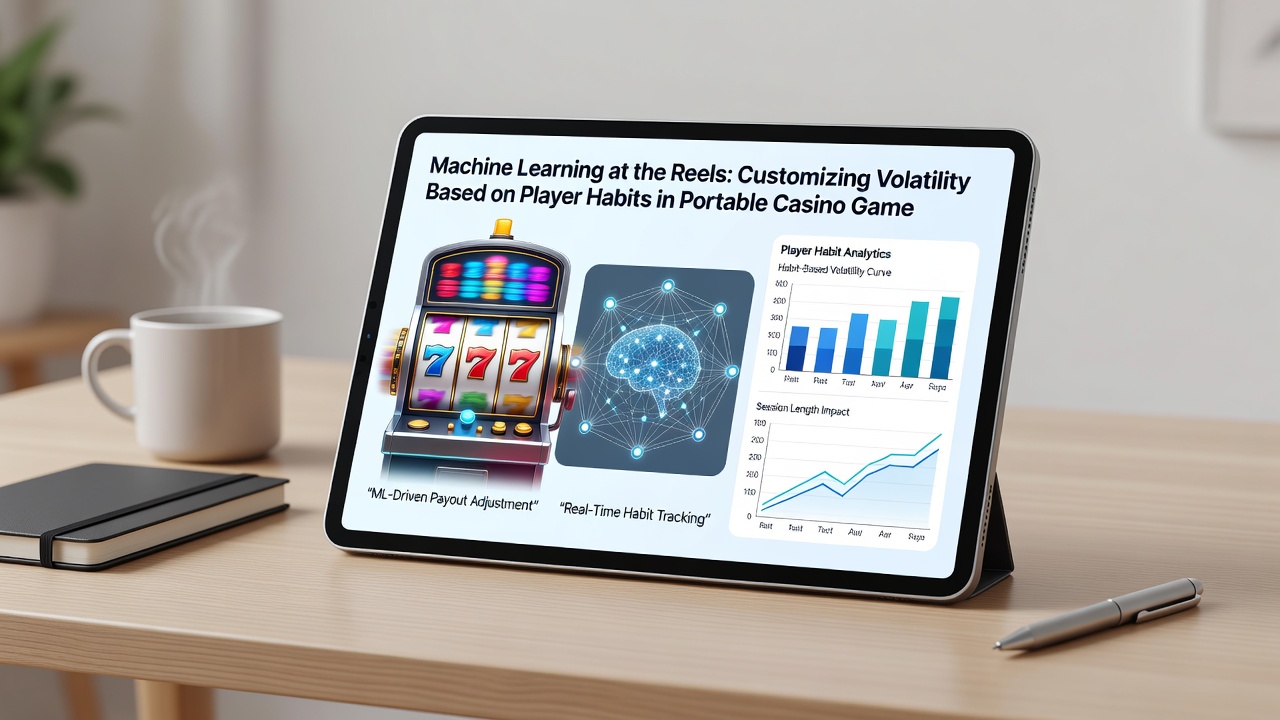
Machine learning systems now analyze player behavior patterns in real time within portable casino games, adjusting slot volatility to align with individual session data such as bet frequency, session duration, and historical win rates. Developers deploy these models across mobile platforms where data streams from touch interactions feed into algorithms that modify reel configurations, symbol distributions, and bonus trigger probabilities on the fly.
Tracking Player Habits Through Mobile Data Streams
Portable devices transmit continuous signals including swipe speed, pause intervals between spins, and stake adjustments during play sessions. These inputs cluster into player profiles using unsupervised learning techniques that group users by risk tolerance indicators without requiring explicit surveys. One study from the University of Nevada Reno documented how session length data combined with average bet size predicts whether a player favors steady small returns or occasional larger payouts.
Algorithms process this information through neural networks trained on anonymized historical datasets from millions of spins across multiple titles. The models identify correlations such as prolonged low-stake play correlating with preferences for reduced variance while rapid high-stake sequences link to higher volatility settings.
Adjusting Volatility in Real Time
Volatility customization occurs when the machine learning engine alters the underlying probability tables mid-session. For instance a player exhibiting cautious patterns might encounter increased frequency of smaller winning combinations on the reels while the same game presents wider gaps between payouts for users showing aggressive staking habits. This adjustment happens through dynamic weighting of paytable entries rather than changes to the overall return-to-player percentage which remains fixed under regulatory requirements.
Developers integrate reinforcement learning loops that reward the model for maintaining player engagement metrics while respecting predefined volatility boundaries set during initial game certification. Reports from the American Gaming Association highlight how such systems operate within licensed frameworks in multiple jurisdictions where testing labs verify that core math models stay within approved parameters even as surface-level reel behavior shifts.
Implementation Across Game Studios and Platforms
Leading mobile game providers embed these capabilities into their slot engines using edge computing to minimize latency between data collection and reel adjustment. A July 2026 industry report from the Malta Gaming Authority noted expanded adoption among operators serving European markets where portable titles represent over 70 percent of total wagers. The systems require minimal additional processing power on user devices because model inference runs on backend servers that push updated reel strips to the client application.
Case examples include titles where players who maintain consistent bet levels across 50 spins trigger a shift toward medium volatility configurations while those who increase stakes after losses receive higher variance reels. Such mechanics rely on feature engineering that extracts variables like loss-chasing indicators and win-streak responses from raw telemetry.
Regulatory and Technical Considerations
Certification processes now include evaluation of adaptive algorithms by independent testing agencies that simulate diverse player habit scenarios to confirm compliance. Data from the Australian Communications and Media Authority shows that regulators require audit trails documenting every volatility modification along with timestamps and triggering player metrics. These records allow verification that adjustments do not exceed certified maximum variance thresholds.
Privacy protocols encrypt individual habit profiles during transmission and limit retention periods according to regional data protection standards. Industry organizations such as the International Association of Gaming Regulators have issued guidelines on model transparency that require operators to disclose the existence of adaptive systems within game rules without revealing proprietary algorithm details.
Future Developments in Portable Gaming
By mid-2026 several studios plan integration of federated learning approaches that improve model accuracy across devices while keeping raw player data localized. This technique aggregates gradient updates from multiple mobile sessions without centralizing sensitive information. Observers note that such advancements could extend volatility customization to live dealer hybrids and skill-based games where player decision patterns influence outcome distributions in addition to random elements.
Hardware improvements in 5G networks and on-device AI chips further support faster feedback loops between habit detection and reel modification. Research papers presented at the 2025 International Conference on Gambling and Risk Taking outlined potential applications in which multi-armed bandit algorithms balance exploration of new volatility settings against exploitation of proven player preferences.
Conclusion
Machine learning applications continue to reshape how portable casino games respond to individual play styles through targeted volatility adjustments derived from behavioral data. These systems operate within established regulatory boundaries while leveraging advances in real-time analytics and model training. Continued collaboration between developers, testing laboratories, and oversight bodies ensures that such customizations remain verifiable and aligned with certified game mathematics across global markets.