15 Jul 2026
UK Gambling Commission Launches Staged Financial Risk Assessments for High-Spending Gamblers

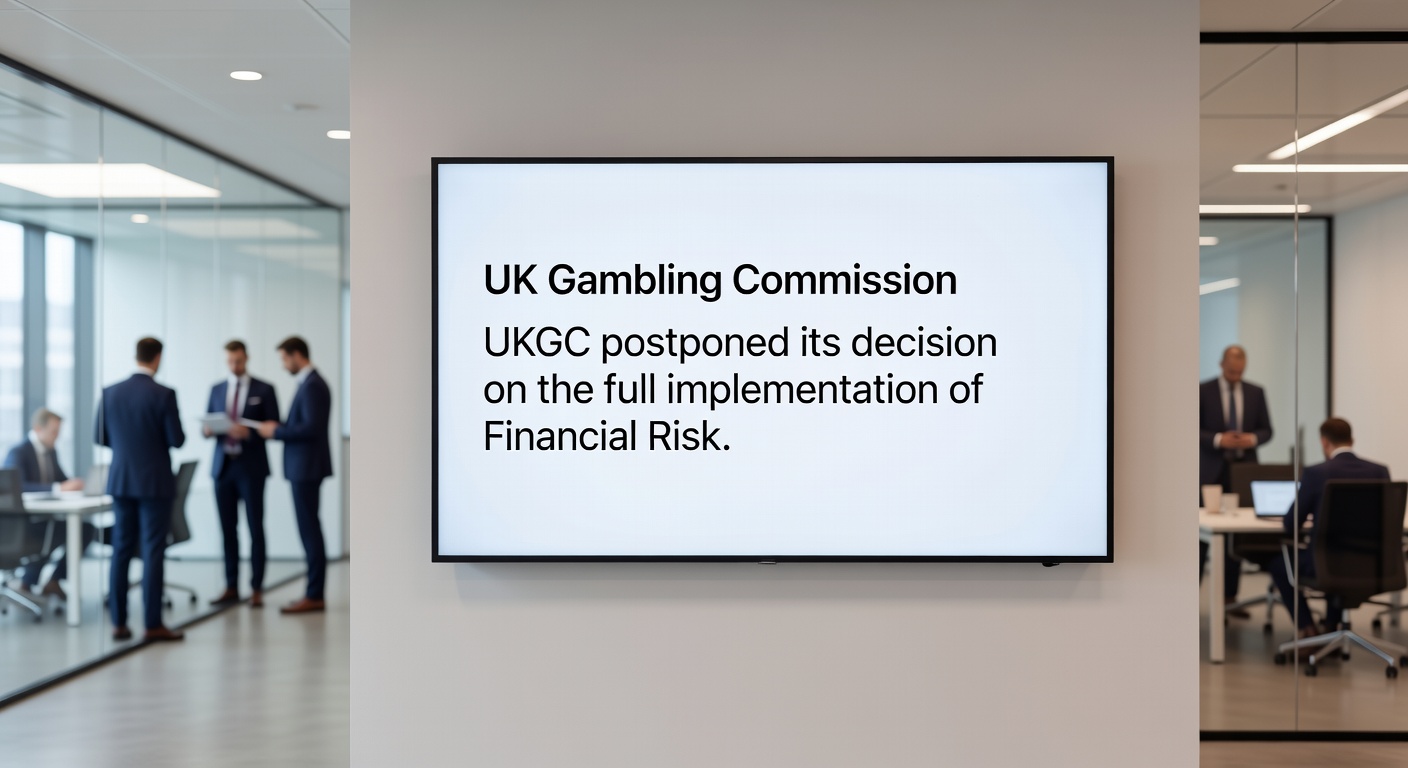
The UK Gambling Commission announced a streamlined staged approach to Financial Risk Assessments that targets identification and support for high-spending customers who may be experiencing financial difficulties, and this regulatory update centers on strengthening consumer protections across the gambling sector. Observers note the move comes as part of ongoing efforts to refine how operators interact with customers whose spending patterns raise potential concerns, while the Commission has outlined a phased rollout designed to balance regulatory oversight with operational practicality for licensed operators.
Under the new framework operators will implement assessments in distinct stages rather than applying a single rigid process, which allows initial screening to flag high-spending accounts before deeper reviews occur if certain thresholds are met. Data from previous consultations shows that such targeted checks can help surface signs of financial strain earlier, and the staged method reduces unnecessary friction for the majority of players whose activity remains within sustainable limits. The Commission published details on its site under the heading Commission to introduce Financial Risk Assessments in staged approach, providing operators with clear timelines and compliance expectations.
How the Staged Process Works in Practice
Stage one involves basic data collection on spending velocity and frequency, which operators already track through existing systems, while stage two triggers enhanced checks only when spending exceeds defined parameters over a set period. Those parameters focus on patterns that historically correlate with financial distress, and operators must then offer appropriate support measures such as deposit limits or referrals to external advice services. Researchers who analyzed similar risk models in other regulated industries found that phased implementation improves compliance rates because it gives businesses time to adjust internal procedures without disrupting day-to-day operations.
Implementation begins with pilot testing among select operators before wider adoption, and the Commission has indicated full integration across the online sector will align with July 2026 deadlines for updated licensing conditions. This timeline gives companies room to update software, train staff, and communicate changes to customers, while avoiding the confusion that often accompanies abrupt regulatory shifts. Figures released during the consultation period revealed that high-spending customers represent a small but significant portion of total accounts, making the targeted approach both efficient and proportionate.
Impact on Operators and Customer Interactions
Licensed operators must revise their responsible gambling policies to incorporate the new assessment stages, and many have already begun reviewing transaction monitoring tools to ensure they meet the forthcoming requirements. The Commission emphasizes that the goal remains prevention rather than punishment, which means support interventions should occur before problems escalate. Those who have studied previous regulatory changes note that clear guidance documents help reduce misinterpretation, and the staged structure provides operators with decision trees that clarify when escalation is necessary.
High-spending customers subject to deeper reviews will receive notifications explaining why an assessment is underway, along with options to access financial guidance resources. This transparency requirement forms a core element of the framework, ensuring customers understand the process rather than feeling singled out. Evidence from earlier pilot programs indicates that proactive outreach of this kind leads to higher engagement with support services, and the Commission expects similar outcomes once the staged model becomes standard practice.
Broader Context of Consumer Protection Measures
The announcement builds on existing affordability checks that operators have used for several years, yet it introduces a more structured methodology that standardizes how different spending levels trigger action. By focusing specifically on financial risk rather than general behavioral markers, the Commission aims to create consistency across the industry. Data collected during the consultation phase highlighted variations in how operators currently handle high-value accounts, and the staged assessments seek to close those gaps without imposing blanket restrictions that could affect recreational players.
July 2026 marks the point at which all remote gambling licenses will incorporate the new conditions, giving the sector nearly two years to prepare systems and processes. During this period the Commission will issue further technical guidance and host workshops to address implementation questions that arise. Operators who participated in early discussions reported that the phased nature of the rollout allows them to test assessment criteria on limited customer segments first, refining thresholds based on real-world results before full deployment.
Conclusion
The UK Gambling Commission's decision to adopt a staged approach to Financial Risk Assessments represents a measured evolution in how the regulator addresses potential financial harm among high-spending customers. By structuring the process in clear phases operators gain clarity on compliance steps, while customers benefit from earlier identification of difficulties and access to appropriate support. The framework's alignment with July 2026 licensing updates provides a defined window for preparation, and the emphasis on transparency and proportionality reflects the Commission's ongoing commitment to balanced consumer protection across the gambling sector.