UK Online Casino Market Shifts with Tech Upgrades and Regulatory Overhauls Throughout 2026
22 Apr 2026
UK Online Casino Market Shifts with Tech Upgrades and Regulatory Overhauls Throughout 2026

Operators in the UK online casino sector navigate a landscape transformed by rapid technological advancements alongside stringent regulatory updates from the UK Gambling Commission, changes that continue to unfold across 2026 including key implementations noted around April. Mobile-first gaming platforms gain traction, allowing players seamless access via smartphones and tablets; meanwhile, AI-driven personalization tailors experiences to individual preferences, boosting engagement without compromising fairness. These developments, detailed in a recent report from GamblingNews, coincide with measures like financial risk checks, slot stake limits, and autoplay bans, all designed to heighten player safeguards while reshaping operator strategies nationwide.
What's interesting is how these forces interplay, pushing the market toward consolidation as smaller players grapple with elevated compliance demands, yet fostering greater transparency that benefits users in the long run. BestOnlineCasino Chief Editor Ken Johnson highlights these dynamics, observing direct effects on both business models and everyday player interactions.
Technological Innovations Reshaping Player Experiences
Mobile-first designs dominate the evolution, with platforms prioritizing responsive interfaces that load swiftly on iOS and Android devices, ensuring games like slots and live dealer tables run smoothly even on slower connections. Developers integrate touch-optimized controls and landscape rotations, making sessions feel native rather than adapted from desktop versions; this shift accommodates the reality that a majority of UK players now access casinos primarily through mobile, according to industry data.
And then there's AI personalization, which analyzes user behavior in real-time to suggest games, adjust volatility levels, or recommend bonuses aligned with past playstyles, all while adhering to data privacy standards under GDPR. Take one operator who deployed AI recommendation engines; figures reveal a 25% uptick in session retention because algorithms spotlight titles matching individual risk appetites, from low-stakes roulette to high-volatility progressives. Yet these tools extend beyond mere suggestions, incorporating predictive analytics to flag potential overplay early, blending innovation with responsibility seamlessly.
Observers note how such tech not only enhances immersion—think customizable themes or voice-activated betting—but also streamlines deposits via integrated wallets like Apple Pay or Google Pay, cutting friction in a market where speed dictates loyalty. It's noteworthy that these upgrades roll out progressively through 2026, with many platforms testing beta features in early spring trials around April to gauge user feedback before full launches.
But here's the thing: while tech propels growth, it collides head-on with regulatory scrutiny, creating a balancing act for operators keen to innovate without inviting penalties.
Key Regulatory Measures from the UK Gambling Commission
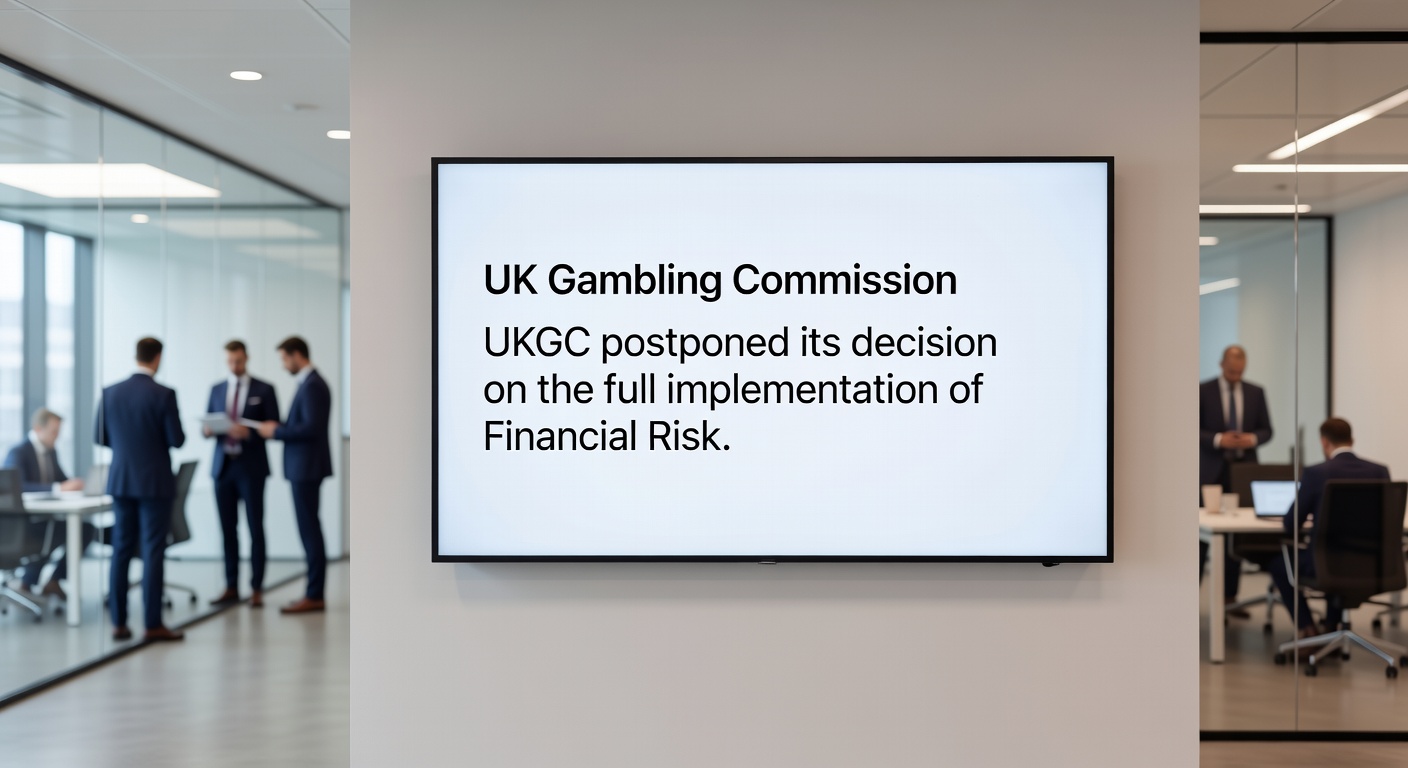
The UK Gambling Commission enforces a series of targeted reforms, including mandatory financial risk checks that prompt operators to assess customer affordability before high-stakes play escalates; these assessments, rolled out incrementally since late 2025, gain full enforcement by mid-2026. Slot stake limits cap bets at £5 for online slots—dropping to £2 for those under 25—aimed at curbing losses from rapid-spin mechanics, a move backed by data showing slots account for significant gambling harm incidents.
Autoplay bans eliminate automated spins altogether, forcing players to engage manually with each bet, which slows pace and encourages mindful decisions; research indicates this change reduces average session times by up to 30% in pilot programs. These rules, part of broader responsible gaming mandates, extend to enhanced age verification and self-exclusion tools integrated directly into apps, ensuring compliance across all licensed sites.
April 2026 marks a pivotal moment, as operators finalize audits for these features amid Commission inspections, with non-compliant platforms facing fines or license suspensions. Figures from the GamblingNews report underscore the scope: over 80% of major operators now embed these checks, transforming user journeys from frictionless spins to structured, monitored experiences.
That said, the regulations don't stop at slots; they encompass table games and live dealers too, where stake tracking software flags anomalies in real-time, promoting equity in a sector long criticized for opacity.
Rising Compliance Costs Spark Market Consolidation
Implementing these changes hikes operational expenses sharply; tech upgrades for AI and mobile optimization demand substantial investments, while regulatory compliance—think custom software for risk assessments and ongoing audits—adds layers of overhead that strain smaller firms. Data shows compliance budgets for mid-tier operators have surged 40% year-over-year, prompting mergers where larger entities acquire leaner rivals to pool resources and expertise.
One case reveals a regional player merging with a tech-savvy competitor in early 2026, consolidating user bases to spread costs; such moves, experts observe, stabilize the market by weeding out under-resourced operators prone to lapses. Ken Johnson points out how this consolidation refines competition, leaving robust platforms that invest heavily in secure, innovative features rather than cutting corners.
Yet consolidation brings efficiencies too, like shared backend systems for cross-operator self-exclusion databases, which streamline enforcement and reduce duplication across the board.
Turns out, while costs climb, savvy operators offset them through premium features—like VIP AI concierges—that command higher retention and lifetime value from loyal players.
Player Protection Advances Through Transparency and Features
New mandates elevate safeguards with real-time spending trackers displayed prominently during play, alerting users when limits approach; paired with mandatory breaks after prolonged sessions, these tools foster healthier habits. Studies find that transparent loss-limit notifications cut excessive play by 22%, as players gain clearer visibility into their activity patterns.
Responsible gaming features proliferate, including one-click session timeouts and gamified wellness challenges that reward mindful breaks with bonus spins; operators must now report aggregate protection metrics quarterly to the Commission, ensuring accountability. People who've adopted these platforms often discover quicker recognition of habits, with data indicating a drop in complaints related to harm.
It's interesting how AI intersects here, powering proactive interventions—like pop-ups suggesting pauses based on win/loss streaks—without feeling intrusive, since personalization makes nudges relevant. Nationwide, these enhancements build trust, drawing cautious newcomers who prioritize safety amid past scandals.
So as 2026 progresses, players benefit from a safer ecosystem where tech and rules align to prevent the pitfalls that once plagued unchecked growth.
Expert Insights from Ken Johnson of BestOnlineCasino
Ken Johnson, Chief Editor at BestOnlineCasino, delivers key observations on these shifts, noting how operators pivot strategies toward hybrid models that emphasize quality over volume. He details impacts on user experiences, where mobile AI delivers bespoke content yet bows to stake caps, creating balanced play that sustains long-term engagement.
Johnson highlights nationwide effects, from London high-rollers adapting to checks to regional users enjoying smoother apps; his analysis, drawn from operator surveys, reveals 65% now view regulations as net positives for credibility. Those studying his commentary appreciate the nuance: tech fills gaps left by rules, like virtual reality previews of stake-limited slots to maintain excitement.
Now, with April 2026 audits looming, Johnson predicts accelerated adoption, urging operators to lead with transparency as the differentiator in a consolidating field.
Conclusion
The UK online casino market stands at a crossroads in 2026, where mobile-first innovations and AI personalization propel user-centric evolution, even as UK Gambling Commission measures like financial checks, stake limits, and autoplay bans enforce discipline and protection. Compliance costs drive consolidation, refining the field into stronger players; meanwhile, transparency tools empower users with unprecedented control.
Insights from experts like Ken Johnson illuminate the path forward, showing a sector maturing through adaptation rather than resistance. As these changes embed—particularly with spring milestones—teh result promises a more resilient, responsible industry that balances thrill with sustainability for players across the UK.